马上注册,结交更多好友,享用更多功能,让你轻松玩转社区。
您需要 登录 才可以下载或查看,没有账号?Register
×
PV underperformance refers to a situation where a plant's actual energy output consistently falls below normal levels, typically indicated by a performance ratio (PR) below 80% or a deviation of more than 15% from the theoretical value. This "chronic issue" is more insidious than sudden failures, yet for large-scale plants, every 1% loss in PR can translate into millions of kilowatt-hours of lost annual generation, with significant economic impact. The causes of underperformance can be divided into two categories: external environmental factors and equipment-related factors. External factors include shading, soiling and dust accumulation, high temperature and humidity, and grid curtailment. Internal factors involve module power degradation, hot-spot effects, micro-cracks, and system mismatching (e.g., mixing different module types, insufficient inverter capacity). Hot spots and micro-cracks are particularly difficult to detect with the naked eye and are often identified only through abnormal power generation data. Diagnosis should follow a "coarse-to-fine" approach. First, use the monitoring system to analyze inverter daily generation hours or string current dispersion rates to identify suspicious units. Then, conduct on-site visual inspections of the suspect areas to check for cracks, soiling, and shading, supplemented by thermal imaging scanning, I-V curve testing, or multimeter measurements of open-circuit voltage to precisely locate faults. Data from curtailment periods should be excluded to avoid misjudgment. Remedies must be tailored to the root cause. Routine O&M measures—such as regular module cleaning, removing nearby shading objects, and improving heat dissipation—can effectively boost output. For equipment issues, severely degraded modules should be repaired or replaced promptly, and modules under the same MPPT should have identical models and tilt angles. A more systematic approach is to establish a closed-loop "evaluate–diagnose–treat" process: use performance indicators to identify underperforming units, combine remote monitoring with on-site inspection to pinpoint causes, and then develop site-specific rectification plans. Practice has shown that such rolling governance can significantly recover lost generation and is an effective strategy for addressing underperformance in aging PV plants.
| 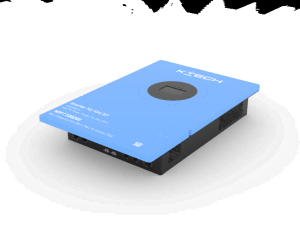 Key Technologies & Challenges of Off-gri3803 views#Default Forum
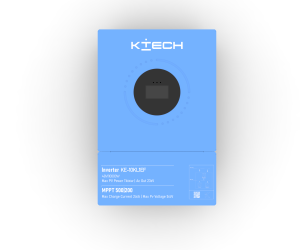 Market Potential & Future Direction of O3122 views#Default Forum
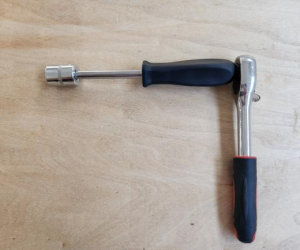 How to Install a Wall-Mounted Inverter3546 views#Default Forum
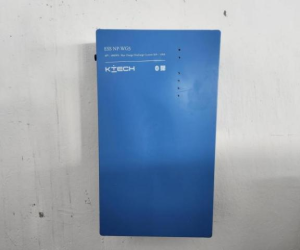 How to Install a Wall Mount Battery4291 views#Default Forum