马上注册,结交更多好友,享用更多功能,让你轻松玩转社区。
您需要 登录 才可以下载或查看,没有账号?Register
×
本帖最后由 刘倩 Kian 于 2026-7-6 11:19 编辑
1. In which scenarios are off-grid solar-storage power stations primarily used?
Off-grid solar-storage power stations can operate independently without relying on the public grid (or may draw power from the grid only as a supplement). They generate electricity through a combination of photovoltaic (PV) power generation and energy storage systems, with core components including PV arrays, energy storage batteries, off-grid inverters, and controllers. Typical applications include remote areas without grid coverage (such as mountainous regions and areas prone to frequent power outages), temporary power scenarios (such as construction camps and disaster relief sites), and specialized industries such as communication base stations and agricultural irrigation.
2. How do I select an off-grid inverter?
An off-grid inverter must have “independent energy storage control” functionality, enabling it to directly drive loads and manage battery charging and discharging. When selecting an off-grid inverter, consider the following:
1. Rated power: Must match the peak power of the PV array and the load;
2. Number of MPPT channels: To accommodate complex PV configurations;
3. Charging modes: Support for MPPT PV charging and battery management;
4. Protection features: Including overvoltage, overcurrent, overtemperature, and reverse connection protection;
5. Support for diesel generator connection to eliminate the need for external equipment.
6. Flexible scalability: Does it support parallel operation?
YiAiSi off-grid inverters support up to 6 units in parallel. As loads increase or electricity demands change over time, a single inverter may not provide sufficient power. Power can be scaled up through parallel operation, covering load requirements ranging from 3 kW to tens of kW without replacing existing equipment—making it particularly suitable for scenarios with future expansion plans.
3.How to Choose Between Lead-Acid and Lithium Batteries?
Lead-acid batteries are low-cost and suitable for scenarios with limited budgets and ample space (e.g., rural household power supply); lithium batteries have high energy density and long service life, making them suitable for scenarios with limited space or higher performance requirements (e.g., communication base stations, emergency power supplies).
4.How to Calculate System Capacity?
Match the appropriate battery capacity based on the requirements of different application scenarios.
1. Self-generation and self-consumption scenarios: Calculate based on a combination of PV generation, daytime electricity consumption, and nighttime electricity consumption. For example, if a residential PV system generates 17.5 kWh per day, with 5 kWh of daytime consumption and 15 kWh of nighttime consumption, the battery capacity should be at least (17.5 – 5) kWh = 12.5 kWh, and should not exceed the nighttime electricity consumption (to avoid redundancy).
2. Backup power scenarios: Calculate based on the longest power outage duration and load power. For example, if a site needs to power four 550W fans for 4 hours, the battery capacity must be ≥ 4 × 550W × 4h = 8.8 kWh. Using a 51.2V system as an example, with the battery configured at 1C, the battery capacity must be at least 172 Ah.
5.How to resolve a “load overload” fault?
1. Temporary solution: Disconnect non-essential loads (such as high-power motors and electric water heaters) and wait for the inverter to reset. If the issue persists, perform a no-load test to determine whether the inverter is faulty.
2. Long-term solution: Verify whether the total power exceeds the limit. You can replace the inverter with a larger one or adjust your electricity usage habits to avoid simultaneously starting and stopping multiple high-power devices.
3. Design optimization: Assess load types in advance, paying attention to inrush currents from inductive loads (such as pumps and air conditioners), and select an inverter based on actual peak power requirements.
|
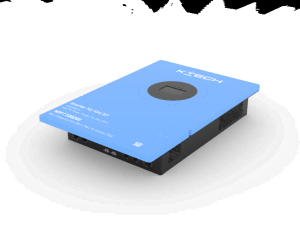 Key Technologies & Challenges of Off-gri4086 views#Default Forum
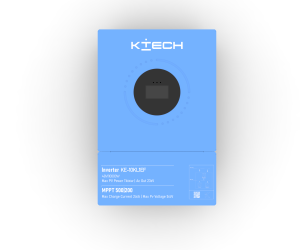 Market Potential & Future Direction of O3331 views#Default Forum
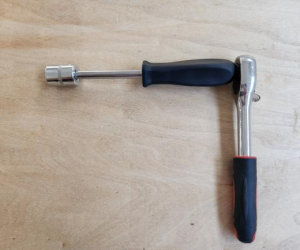 How to Install a Wall-Mounted Inverter3793 views#Default Forum
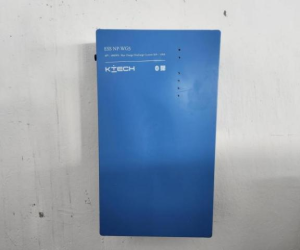 How to Install a Wall Mount Battery4596 views#Default Forum